


CranioSacral Therapy (CST) and SomatoEmotional Release (SER)
On Demand Study Groups
A Virtual Study Group for CranioSacral Therapists and Students of the Upledger Institute International
facilitated by Suzanne Scurlock, CST-D
Facilitated Segments:
Releasing the Dural Tube
Open to ALL CST levels (from CST 1 and above)
Lifetime Access Only $99
Listen as Suzanne gives you a two minute overview of Facilitated Segments: Releasing the Dural Tube
Facilitated Segments: Releasing the Dural Tube is an on demand professional study group for CranioSacral Therapists and students trained through the Upledger Institute International.
This in-depth clinical study group explores how facilitated spinal segments and dural tube restrictions underlie persistent pain patterns, unresolved structural issues, and incomplete cranial releases. Through case studies, demonstration, and practitioner dialogue, this program reframes the dural tube as a central organizing structure of the nervous system rather than a secondary concept.
The program is facilitated by Suzanne Scurlock, CST-D, a senior instructor with more than 40 years of experience teaching CranioSacral Therapy.
Participants receive lifetime access to professionally recorded lectures, demonstrations, and clinical Q&A.
Open to ALL CST levels (from CST 1 and above)
Investment: Only $99
Detailed Overview
When a Spinal Segment Release Won’t Hold: The Missing Key May Be the Dural Tube
Many practitioners adjust a spinal segment successfully — only to watch it return to dysfunction hours to days later. This study group explores why that happens.
Inside this study group, you will discover:
Why spinal segments remain “stuck” despite structural correction
How trauma imprints as a dural tube restriction
Why stenosis, scoliosis, and compression fractures often require dural tube engagement
The difference between mobilizing bone and restoring dural tube mobility and glide
How subtle, sustained traction reorganizes deep nervous system holding patterns
This is both a technical refinement study group and a maturation of clinical perception.
What This Study Group Explores
The clinical signs of a facilitated segment
How to recognize when the dural tube is driving persistent symptoms
Acute vs. chronic compression patterns and how to approach each
The role of trauma and “frozenness” in spinal restrictions
How to listen to a therapeutic pulse indicating self correction and allow it to lead the treatment
Ergonomic handholds that support longer, deeper listening
How dural tube work translates seamlessly into distance healing
Learning Outcomes
By the end of this study group, participants will be able to:
Identify facilitated segments clinically
Assess dural tube glide
Apply ergonomic sacral and sidelying handholds
Differentiate acute versus chronic dural tube patterns
Follow therapeutic pulse to its natural resolution to support lasting spinal release
Why This Matters in Practice
A spinal segment cannot stay released if the dural tube at that level is restricted.
Persistent pain often reflects dural tube tension, not just structural misalignment
Adjustments may not hold when dural tube glide has not been restored
Chronic patterns frequently originate in unresolved trauma
Movement is life in the nervous system — and the dural tube is a central organizer of that movement.
Restoring dural tube glide often reduces pain rapidly
Even when structure remains imperfect, function improves
Subtle work can create profound clinical change
What's Included
All components were professionally recorded live over Zoom.
Your registration includes:
A full-length lecture on Facilitated Segments: Releasing the Dural Tube
Live demonstration illustrating sacral holds, occipital cradle walk-down, and sidelying rock-and-glide
Clinical insights drawn from over four decades of teaching and clinical experience
Practitioner Q&A addressing stenosis, scoliosis, compression fractures, and chronic holding patterns
Lifetime access via the Online Training Center (OTC)
Audience
This study group is designed for CranioSacral Therapists and students of CranioSacral Therapy seeking to:
Refine palpation skills and deepen perception
Resolve persistent spinal restriction patterns in their clients
Gain confidence working with acute and chronic dural tube conditions
Meet Your Instructor
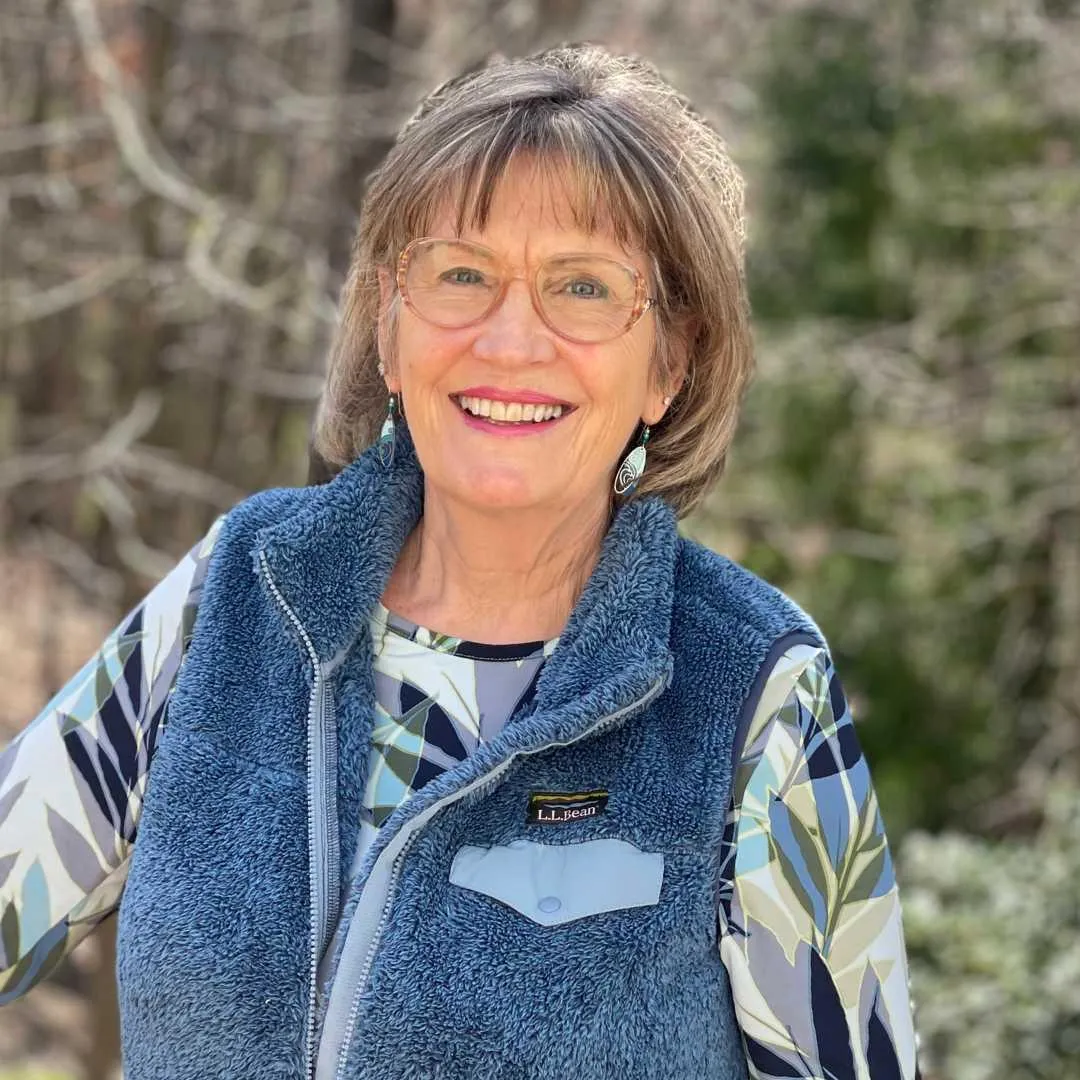
Suzanne Scurlock, CST-D
Creator of Healing From the Core®
For more than 40 years, Suzanne Scurlock — senior instructor for the Upledger Institute International — has been helping CranioSacral Therapists and students strengthen and refine their palpation skills, sensitivity, grounded therapeutic presence, and confidence.
Her live courses, online study groups, and mentoring sessions support practitioners in every stage of their journey — from first discovering CranioSacral Therapy to mastering advanced SER work and beyond.
Suzanne is the author of two acclaimed books: Full Body Presence: Learning to Listen to Your Body’s Wisdom and Reclaiming Your Body: Healing from Trauma and Awakening to Your Body’s Wisdom.
Details on Our Study Groups
All the lectures, demos, and Q&A were filmed live over Zoom. You can watch from your location with a practice partner or on your own.
The beauty of this type of study group is that the cost of registration gives you lifetime access to the video to watch as many times as you need so you will get all the nuances that you may have missed during the initial lecture and demonstration. You can revisit the material again and again until you feel confident to put the skills into practice.
Copyright © 2026 Healing From the Core, All rights reserved.
Healing From The Core – 11110 Sunset Hills Rd., P.O. Box 2534 Reston, Virginia 20195 United States (703) 620-4509 [email protected]