


CranioSacral Therapy (CST) and SomatoEmotional Release (SER)
On Demand Study Groups
A Virtual Study Group for CranioSacral Therapists and Students of the Upledger Institute International
facilitated by Suzanne Scurlock, CST-D
Expanding the 10 Step Protocol
part three
Open to ALL CST levels (from CST 1 on up)
Lifetime Access Only $99
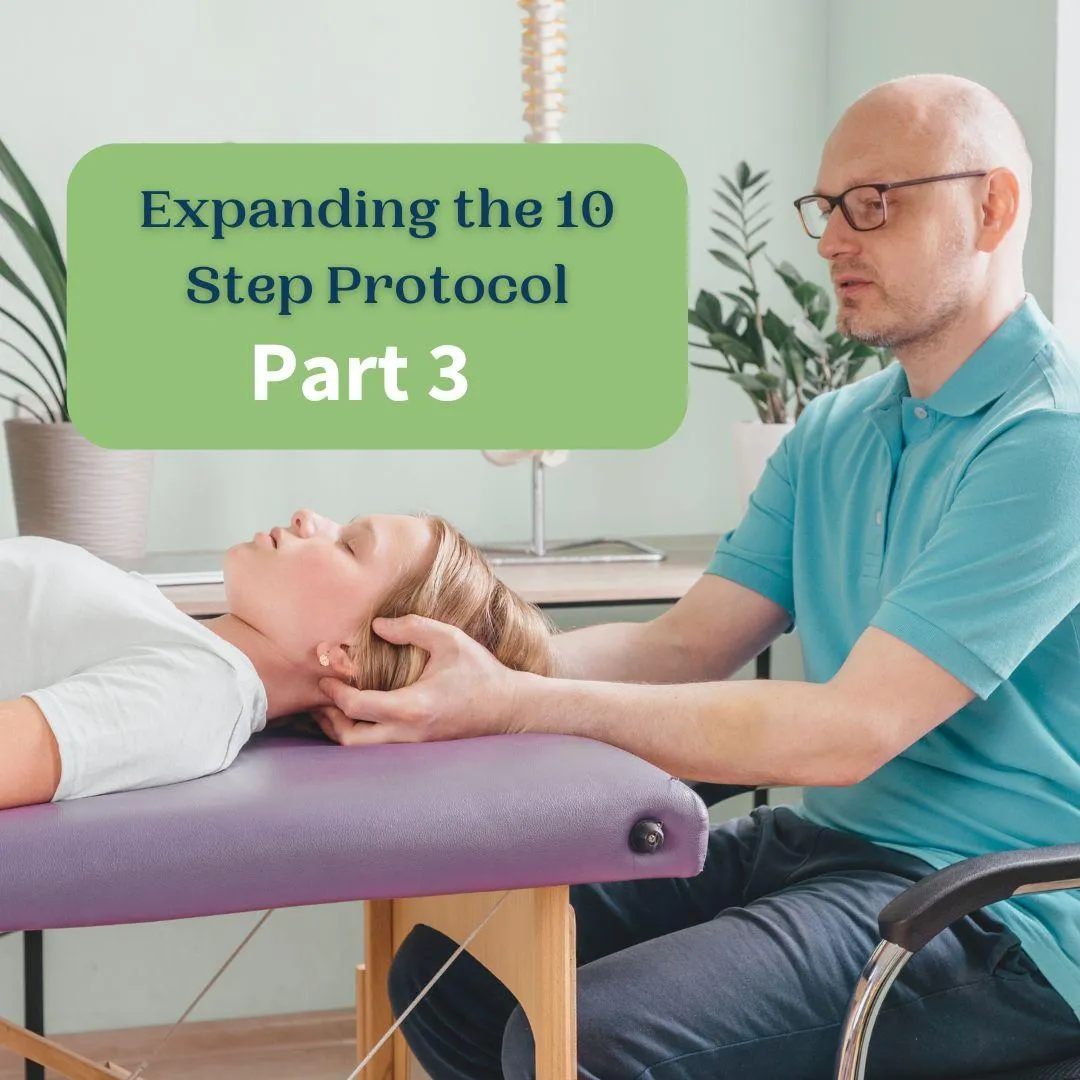
Expanding the 10 Step Protocol is a 3 part on demand professional study group for CranioSacral Therapists and students trained through the Upledger Institute International.
This advanced study group session addresses the lower half of the 10-Step Protocol, focusing on the thoracic inlet, heart space, respiratory diaphragm, pelvic diaphragm, sacrum, and dural tube. Moving beyond mechanical sequencing, the study group reframes familiar techniques through the lenses of therapeutic presence, anatomical precision, and whole-system integration.
In Part 3, the facilitators continue with variations on the original techniques that they have found to be more effective.
The program is facilitated by Suzanne Scurlock, CST-D, a senior instructor with more than 40 years of experience teaching CranioSacral Therapy. She is joined by Catherine Whelan, fellow Upledger instructor, for all 3 parts of this group.
Participants receive lifetime access to professionally recorded lectures, demonstrations, and clinical Q&A.
Open to ALL CST levels (from CST 1 on up)
Investment: Only $99
Or Save $50 When You Purchase All Three Parts for $247
Detailed Overview
From Technique to Integration: Mastering the Lower Half of the 10-Step Protocol
In Cranial 1, the 10-Step Protocol is taught in clear segments. In practice, however, the body does not operate in segments.
This study group guides you from:
Doing the actual steps of the protocol
To listening throughout the entire system
You will explore:
The thoracic inlet as a gateway to autonomic regulation
The respiratory diaphragm as a pressure regulator and emotional holding center
The pelvic diaphragm and sacrum as the body’s power "engine" and grounding anchor
The dural tube as the integrative pathway connecting pelvis to cranium
How fascia functions as a continuous fluid matrix
This session invites you to expand—not complicate—the 10-Step Protocol.
What This Study Group Explores
The torso as the body’s “identity and wisdom center” (heart, breath, gut, pelvis)
How diaphragm restrictions influence the entire craniosacral system
Expanding supine techniques into seated and integrated approaches
Refining pelvic and sacral work for ergonomic efficiency and deeper impact
Dural tube mobility in cases of fusion, stenosis, and chronic compression
The clinical power of therapeutic presence over mental analysis
Learning Outcomes
By participating in this study group, practitioners will:
Deepen their ability to assess and treat the thoracic inlet, respiratory diaphragm, and pelvic diaphragm as an integrated whole
Apply seated respiratory diaphragm techniques for chronic holding patterns
Refine sacral decompression, SI balancing, and dural tube traction with greater specificity
Recognize how fascia, pressure dynamics, and autonomic tone interact
Expand the 10-Step Protocol into a fluid, responsive framework rather than a rigid sequence
Why This Matters in Practice
When the diaphragms are restricted, the entire CranioSacral system compensates.
Shallow breathing patterns reinforce anxiety and hypervigilance
Pelvic restriction disrupts spinal mechanics and dural tube mobility
Thoracic tension impairs autonomic regulation
When these regions are freed, fluid dynamics and neurologic function improve.
Rib cage expansion supports vagus nerve regulation and balance
Sacral decompression restores global spinal function
Dural tube mobility enhances systemic integration—even in fusion cases
What's Included
All components were professionally recorded live over Zoom.
Your registration includes:
A full-length lecture on Expanding the 10-Step Protocol: Thoracic Inlet → Diaphragms → Pelvis
Live demonstrations illustrating seated respiratory diaphragm work, pelvic diaphragm refinement, sacral decompression, and dural tube traction
Clinical insights drawn from over six decades combined of teaching and clinical experience
Practitioner Q&A
Lifetime access via the Online Training Center (OTC)
Audience
This study group is designed for CranioSacral Therapists and students of CranioSacral Therapy seeking to:
Expand beyond mechanical protocol into integrated clinical reasoning
Refine palpation and diaphragm assessment skills
Improve outcomes with chronic pain, anxiety, and pelvic restriction cases
Meet Your Instructors
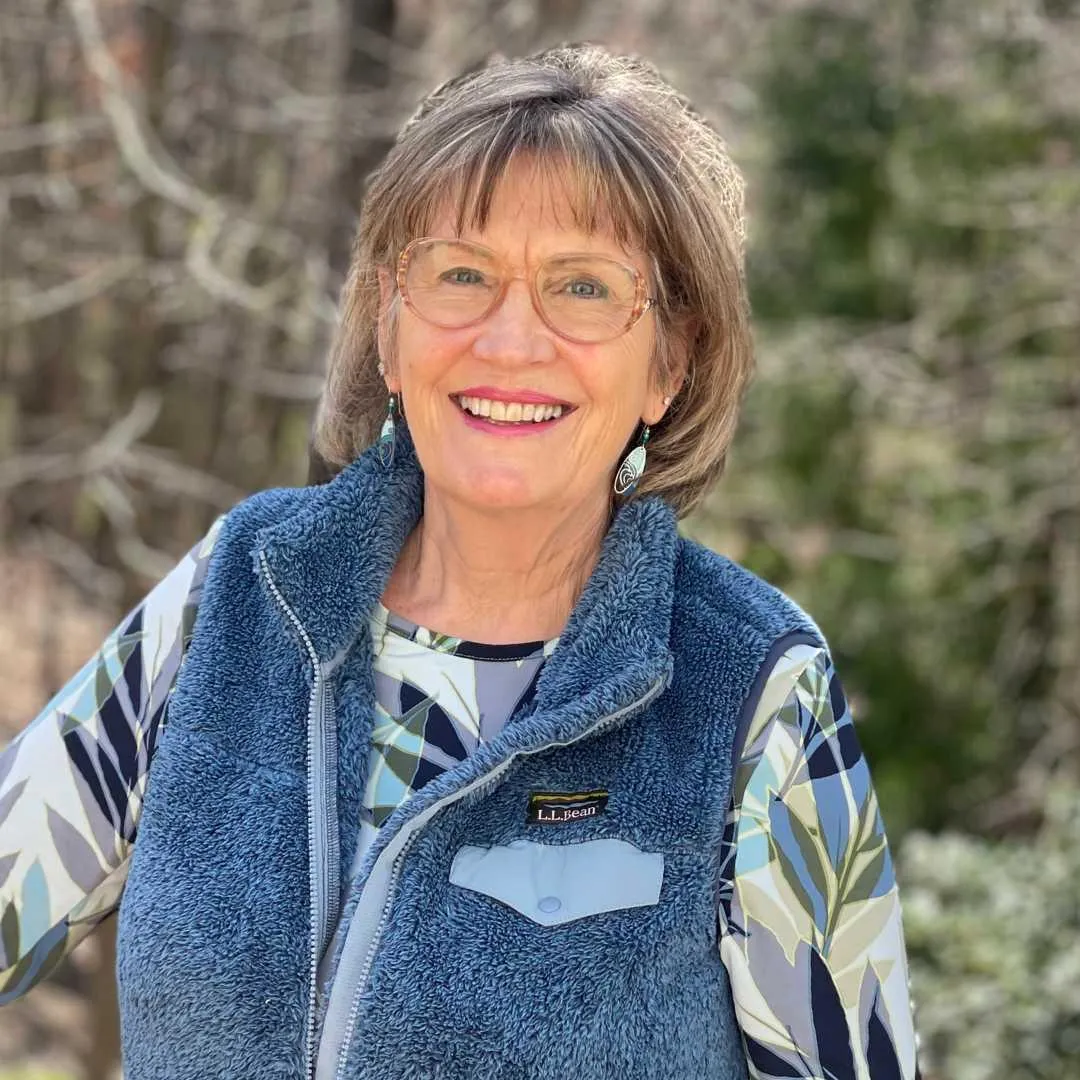
Suzanne Scurlock, CST-D
Creator of Healing From the Core®
For more than 40 years, Suzanne Scurlock — senior instructor for the Upledger Institute International — has been helping CranioSacral Therapists and students strengthen and refine their palpation skills, sensitivity, grounded therapeutic presence, and confidence.
Her live courses, online study groups, and mentoring sessions support practitioners in every stage of their journey — from first discovering CranioSacral Therapy to mastering advanced SER work and beyond.
Suzanne is the author of two acclaimed books: Full Body Presence: Learning to Listen to Your Body’s Wisdom and Reclaiming Your Body: Healing from Trauma and Awakening to Your Body’s Wisdom.
Catherine Whelan, CST-D
Catherine is a graduate of the University of Wisconsin-Madison with a Bachelor of Science in Kinesiology. She chose a degree in kinesiology because of her lifelong interest in anatomy and the way the body works. After finishing her undergraduate degree, she became a Certified Health and Fitness Specialist through American College of Sports Medicine.
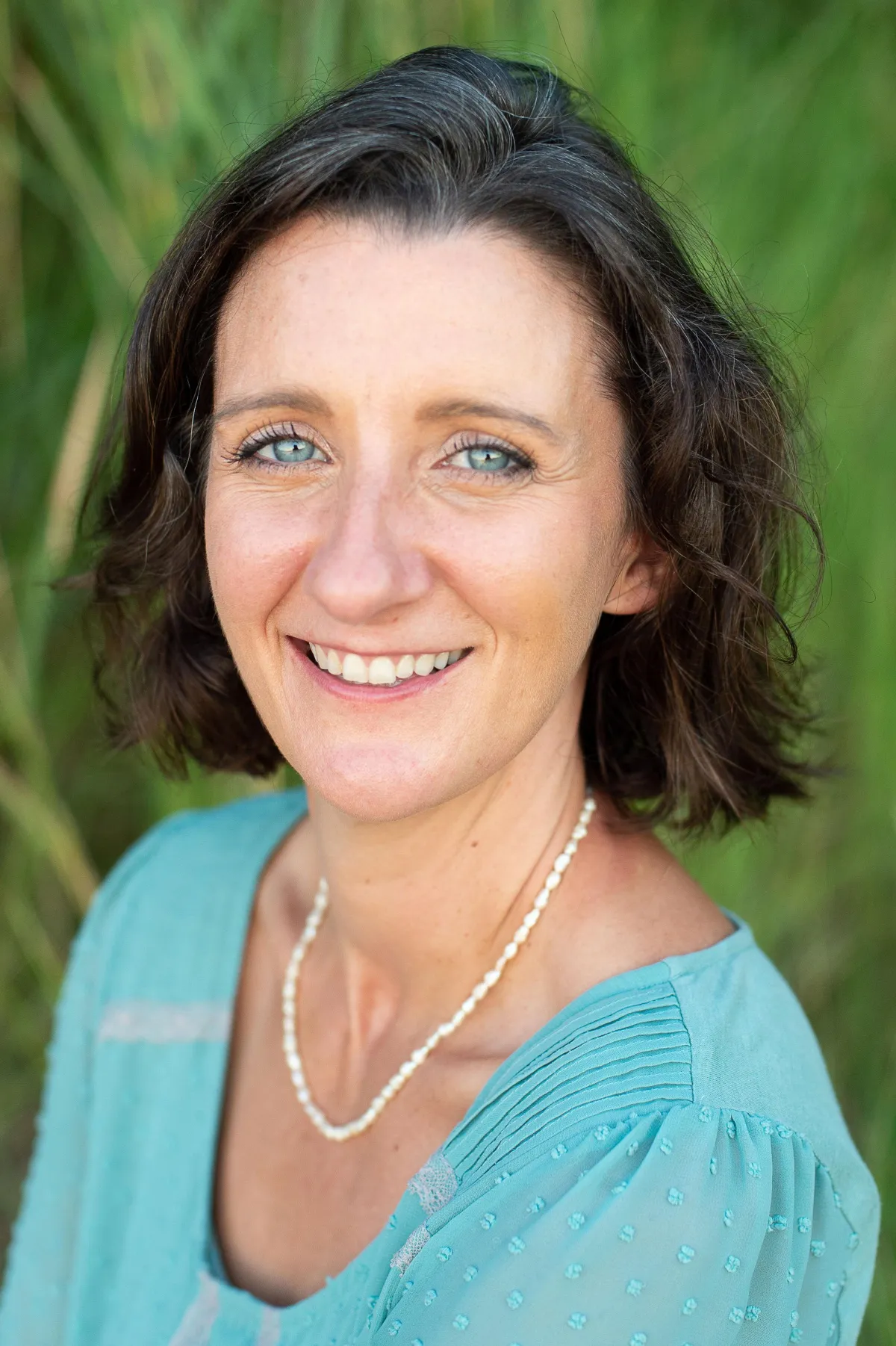
With the desire to achieve a more encompassing understanding of the body, Catherine attended Boulder College of Massage Therapy and became a licensed Massage Therapist. Catherine's hands on experience and continued education led her ultimately to Upledger CranioSacral Therapy. She is a Diplomate level CranioSacral Therapist and now a certified instructor for the Upledger Institute.
Details on Our Study Groups
All the lectures, demos, and Q&A were filmed live over Zoom. You can watch from your location with a practice partner or on your own.
The beauty of this type of study group is that the cost of registration gives you lifetime access to the video to watch as many times as you need so you will get all the nuances that you may have missed during the initial lecture and demonstration. You can revisit the material again and again until you feel confident to put the skills into practice.
Copyright © 2026 Healing From the Core, All rights reserved.
Healing From The Core – 11110 Sunset Hills Rd., P.O. Box 2534 Reston, Virginia 20195 United States (703) 620-4509 [email protected]